How to Cycle an Aquarium: Understanding the Nitrogen Cycle
Before you start adding fish to your new aquarium, it is highly recommended to let the aquarium "cycle."
An aquarium is considered fully "cycled" once it has established a healthy population of beneficial bacteria capable of converting harmful ammonia into nitrite, and then into less harmful nitrate. A successful cycle is complete when both your ammonia and nitrite levels drop to a safe 0 ppm (parts per million).
While the exact length of time it takes to achieve a fully cycled tank can vary, skipping this step can be dangerous. Most aquariums will eventually cycle on their own, but if the process is not controlled, the loss of fish can be significant.
Critical Water Quality Warning: Uncontrolled cycling poses a major risk to aquatic life because ammonia and nitrite are highly toxic to aquarium fish. Cycling your tank properly establishes a natural ecosystem that keeps these toxins under control.
How the Nitrogen Cycle Works
The nitrogen cycle is a continuous loop driven by waste and bacteria. Here is exactly how it functions inside your aquarium:
The Generation of Ammonia: The cycle begins when nitrogenous waste—such as fish waste, uneaten food, and decaying plant matter—breaks down inside the tank. This process releases Ammonia (NH3/NH4), which is very toxic to fish.
The Conversion to Nitrite: Oxidizing bacteria step in to process the ammonia and other nitrogenous waste, converting it into Nitrite (NO2). Nitrite remains toxic to fish.
The Transformation into Nitrate: Next, bacteria metabolize the nitrite and convert it into Nitrate (NO3), which is not as harmful to fish. You should maintain your nitrite levels below 20 ppm, and ideally between 5 to 10 ppm.
Completing the Loop: Living aquarium plants utilize these nitrates as fertilizer to grow. Through a combination of natural plant decay and excretions from the fish that eat those plants, new waste matter generates ammonia, causing the cycle to continue.
3 Common Methods to Cycle Your Aquarium
There are different aquarium cycling methods you can use to establish your bacterial colony with minimal distress to fish. The three most common approaches include:
Fish-Less Cycling: A method where a source of nitrogen that is not a live fish is introduced directly into the aquarium to jumpstart the bacterial growth.
Fish Cycling: A method utilizing live fish that requires very frequent water changes and the regular use of a high-quality water conditioner to keep toxin levels manageable.
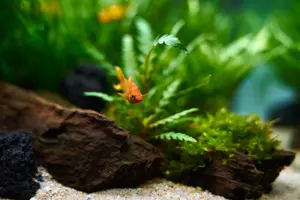
Silent Cycling: A plant-driven method where you rely on live aquarium plants to naturally process the Ammonia and Nitrites in the water.
Preparing for Success
It is important to do your research to determine which of these options is the best method for you and your specific aquarium setup.
No matter which path you choose, monitoring your parameters is mandatory. You will need to invest in a reliable water testing kit capable of measuring Ammonia, Nitrites, and Nitrates to accurately track your progress and ensure your water is completely safe before your cycle is complete.