A beginner’s guide to aquariums: top tips and must-haves for your first tank
There’s something captivating about an aquarium. Whether it’s the calming movement of fish gliding through the water, the beauty of aquatic plants swaying in the current, or the sense of accomplishment that comes from creating a thriving underwater ecosystem, aquariums offer a rewarding hobby for people of all ages.
Many newcomers, however, hesitate to get started. Common concerns include the cost of equipment, the fear of complicated maintenance, or worries about keeping fish alive. The good news is that modern aquarium keeping is more beginner-friendly than ever. With the right setup and a little knowledge, maintaining a healthy aquarium can be both simple and enjoyable.
This guide will walk you through the essentials of choosing your first aquarium, selecting beginner-friendly fish, and keeping your tank clean and healthy with a stress-free maintenance routine.
Choosing the right aquarium
One of the biggest mistakes beginners make is starting with a tank that is too small. While a tiny aquarium may seem easier to manage, larger aquariums are often much more stable and forgiving.
For most beginners, a tank between 20 and 40 gallons provides an ideal balance of manageable size and water stability. Larger volumes of water dilute waste more effectively and experience fewer sudden changes in temperature or water chemistry.
Before purchasing a tank, consider where it will be placed. A sturdy stand, access to electrical outlets, and avoiding direct sunlight are all important factors that contribute to long-term success.
Essential equipment checklist
A successful aquarium depends on more than just the tank itself. Several key pieces of equipment work together to create a healthy environment for fish and plants.
Aquarium tank and stand: Choose a quality aquarium and ensure it is placed on a stand designed to support its weight. Remember that water is heavy — an aquarium can weigh hundreds of pounds when fully filled.
Filtration: Filtration is one of the most important components of any aquarium. Filters remove debris, provide water movement, and support beneficial bacteria that help maintain water quality.
Common options include:
Sponge filters powered by an air pump such as the Oase OxyMax
Internal filters like the Oase EcoFlow
Hang-on-back (H.O.B.) filters
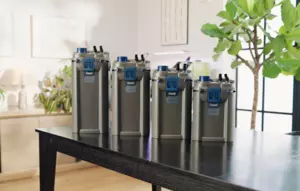
Canister filters such as the Oase BioMaster 2 Thermo which includes a heater
Each type has advantages, but the most important thing is choosing a filter appropriately sized for your aquarium.
Heater and thermometer: Most tropical fish require stable water temperatures. A reliable heater paired with a thermometer helps ensure your fish remain comfortable and healthy year-round.
Lighting: Basic lighting is suitable for fish-only aquariums, while planted tanks benefit from stronger plant-friendly lighting designed to support healthy plant growth.
Substrate: Substrate refers to the material covering the bottom of the aquarium.
Common options include:
Gravel
Sand
Specialized planted substrates such as ScaperSoil
Gravel is easy to clean and works well for many community tanks. Sand provides a natural appearance and is preferred by some bottom-dwelling fish. Specialized substrates can offer additional benefits for planted aquariums.
Fertilizer for live plants: If you plan to keep live plants, fertilizer may be necessary to support healthy growth. Different plants have different nutritional needs, so consulting an aquarium professional or authorized Oase dealer is often beneficial.
Water conditioner and testing kits: Tap water often contains chlorine or chloramine that can be harmful to fish. A quality water conditioner neutralizes these substances and makes tap water safe for aquarium use.
Water test kits help monitor key parameters and allow you to identify issues before they become serious.
Maintenance tools: These simple tools make routine maintenance much easier. Every beginner should have:
A fish net
An algae scraper/sponge
A gravel vacuum or siphon
Beginner mistakes to avoid
Every hobby has a learning curve, and aquarium keeping is no exception. Fortunately, many common mistakes are easy to avoid.
Overcrowding: Adding too many fish too quickly places stress on the aquarium's biological system and often leads to water quality problems. Always research the adult size and requirements of any fish before purchasing.
Skipping the cycling process: One of the most important steps in aquarium setup is establishing the nitrogen cycle. This process allows beneficial bacteria to develop and safely process fish waste.
Adding fish before the aquarium has fully cycled can expose them to harmful ammonia and nitrite levels.
Overfeeding: Fish require surprisingly little food. Excess food decomposes and contributes to poor water quality. A good rule is to feed only what your fish can consume within a few minutes.
Setting up your aquarium
Setting up an aquarium properly from the beginning greatly improves your chances of success.
Start by planning your layout. Consider where plants, decorations, rocks, and driftwood will be positioned.
If using gravel or sand, rinse it thoroughly before adding it to the tank. Some specialized substrates and live plants do not require rinsing.
Install all equipment before filling the aquarium. Once everything is in place, slowly fill the tank using treated tap water or reverse osmosis (R.O.) water if appropriate for your setup.
After the tank is filled and equipment is operating correctly, the cycling process begins.
Understanding the nitrogen cycle
While the science can seem intimidating, the concept is simple.
Fish produce waste. That waste creates ammonia, which is toxic. Beneficial bacteria convert ammonia into nitrite, which is also toxic. A second group of bacteria converts nitrite into nitrate, which is much less harmful and can be removed through water changes.
Once ammonia and nitrite consistently test at zero and water parameters remain stable, the aquarium is generally ready for fish.
Understanding fish requirements
Regardless of species, every fish has specific needs.
Before purchasing any fish, research:
Minimum tank size
Preferred temperature range
Water parameters
Diet and feeding schedule
Compatibility with other species
Understanding these requirements before bringing fish home helps prevent many common problems.
Stocking a beginner community aquarium
A successful community aquarium is about balance.
Many beginners wonder how many fish they can keep. Unfortunately, there is no universal answer. Stocking levels depend on fish size, filtration capacity, aquarium dimensions, and the amount of maintenance performed.
Rather than focusing on maximum numbers, focus on creating a healthy environment where every inhabitant has adequate space.
When in doubt, stock conservatively and add fish gradually.
Aquarium maintenance made simple
One of the biggest misconceptions about aquarium keeping is that maintenance is time-consuming.
In reality, most routine care takes only a few minutes.
Daily tasks
Feeding fish
Checking equipment operation
Observing fish behavior
These quick observations often allow hobbyists to catch problems before they become serious.
Weekly tasks
Partial water changes of approximately 10–25%
Light substrate cleaning
Plant trimming if applicable
Glass cleaning
Equipment inspection
Removing damaged plant leaves is particularly important because decaying plant matter can contribute to algae growth.
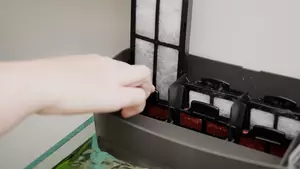
For aquariums using canister filters with pre-filters, weekly cleaning of mechanical filtration components can help maintain consistent performance.
Monthly tasks
Mechanical filtration media may need cleaning or replacement according to manufacturer recommendations. Avoid replacing all filter media at once, as beneficial bacteria live within the filter and help maintain biological stability.
Consistent weekly maintenance usually results in a cleaner, healthier aquarium and reduces the need for major cleanings.
Common maintenance mistakes
Even experienced hobbyists occasionally make mistakes. Some of the most common include:
Overcleaning the aquarium
Replacing filter media too frequently
Using untreated tap water
Overfeeding fish
Remember that a healthy aquarium is an ecosystem. The goal is maintenance and stability, not complete sterilization.
Signs your aquarium needs attention
Aquariums often provide warning signs when something is wrong. Watch for:
Cloudy water
Excessive algae growth
Changes in fish behavior
Unusual odors
Addressing these signs early can prevent larger problems later. All of these can be prevented by keeping to a maintenance schedule.
Pro tip: understanding top-offs v water changes
A top-off replaces water lost through evaporation. A water change removes old water and waste products from the system.
Both are important, but only water changes help remove accumulated pollutants.
Starting your first aquarium may seem overwhelming at first, but every experienced aquarist began exactly where you are today.
The key is to start simple, focus on learning the basics, and build confidence over time. With proper equipment, a carefully chosen fish population, and a consistent maintenance routine, you can enjoy a beautiful and thriving aquarium for years to come.
As your experience grows, you may discover exciting new areas of the hobby, including Aquascaping, advanced planted tanks, breeding projects, and specialty fish species. For now, focus on creating a healthy foundation — and enjoy the journey into the fascinating world of aquarium keeping.