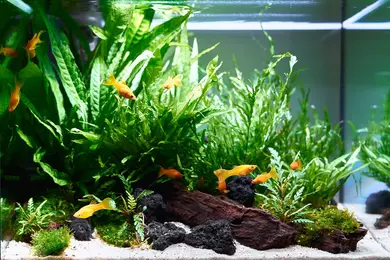
Freshwater aquarium fish: popular species, beginner favorites, and what they need to thrive
One of the most exciting parts of starting an aquarium is choosing the fish that will call it home. With thousands of freshwater species available in the hobby, it can be tempting to select fish based solely on appearance. However, successful fishkeeping starts with understanding what each species needs to thrive.
The right fish can make aquarium ownership enjoyable and rewarding, while the wrong combination of species can quickly lead to stress, aggression, and water quality issues. Fortunately, many freshwater fish are well-suited to beginners and can thrive in a properly maintained aquarium.
In this guide, we'll explore some of the most popular freshwater aquarium inhabitants, discuss why they're recommended for beginners, and break down the basic requirements needed to keep them healthy and happy.
Why choosing the right fish matters
Every fish species has unique requirements when it comes to tank size, water conditions, diet, and behavior. Some fish prefer living alone, while others need the companionship of a group. Some thrive in heavily planted aquariums, while others require open swimming space.
Taking the time to research fish before purchasing them is one of the most important steps toward creating a successful aquarium.
For beginners, it's often best to focus on species that are:
Hardy and adaptable
Peaceful in temperament
Easy to feed
Compatible with community aquariums
Forgiving of minor beginner mistakes
Fortunately, many of the most popular aquarium fish check all of these boxes.
What makes a good beginner fish?
Not every fish sold in aquarium stores is ideal for first-time hobbyists. Some species have specialized care requirements or require very large aquariums.
Beginner-friendly fish generally share a few important characteristics.
Hardy nature: Hardy fish tolerate small fluctuations in water conditions better than delicate species. While all fish require stable, healthy water, hardy species are generally more forgiving as new hobbyists learn proper aquarium care.
Peaceful temperament: Aggressive fish can create challenges in community aquariums. Peaceful species are typically easier to house together and reduce the likelihood of conflicts.
Low maintenance requirements: Fish that readily accept prepared foods and adapt well to typical aquarium conditions are often the best choices for beginners.
Community compatibility: Many hobbyists enjoy keeping multiple species together. Fish that coexist peacefully with a variety of tank mates offer greater flexibility when designing a community aquarium.
Betta fish
Few freshwater fish are as recognizable as the Betta.
Known for their vibrant colors and flowing fins, Betta fish have remained one of the hobby's most popular species for decades. Their personality and interactive nature make them particularly appealing to first-time fishkeepers.
Tank requirements: Despite the persistent myth that Bettas can live comfortably in tiny bowls, they thrive in properly filtered aquariums. A minimum tank size of 5 gallons is generally recommended, although larger aquariums provide greater stability and more room to explore.
Water conditions: Betta fish prefer warm, soft water between 76°F and 82°F. A reliable heater and thermometer help maintain consistent temperatures.
Feeding: Bettas are carnivorous and should be fed a variety of frozen or live foods including, Blackworms, Brine shrimp, Bloodworms and Daphnia.
Compatibility: Male Bettas should not be housed together. However, under the right circumstances, many Bettas can coexist with peaceful community fish that are unlikely to nip their fins.
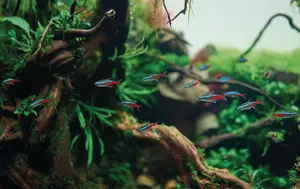
Neon Tetras
Neon Tetras are among the most popular schooling fish in the aquarium hobby.
Their bright blue and red coloration creates a stunning visual display, especially in planted aquariums.
Schooling behavior: Neon Tetras are social fish that feel most secure in groups. Keeping at least six individuals is recommended, although larger groups often display more natural behavior.
Tank requirements: A 10 to 20-gallon aquarium provides adequate space for a small school, though larger tanks allow for bigger groups and more dynamic displays.
Water conditions: Neon Tetras generally prefer temperatures between 77°F and 82°F and thrive in stable, well-maintained aquariums.
Compatibility: These peaceful fish pair well with many other community species, making them excellent additions to beginner aquariums.
Zebra Danios
Zebra Danios have earned a reputation as one of the hardiest freshwater fish available. Their active swimming behavior and striking striped pattern make them a favorite among both beginners and experienced aquarists.
Hardy and adaptable: Zebra Danios tolerate a wide range of conditions and are often recommended for new aquarium owners learning the basics of fishkeeping.
Activity level: These energetic swimmers require adequate open space. A longer aquarium often works better than a tall one, as it allows for more horizontal swimming room.
Group size: Like Neon Tetras, Zebra Danios are schooling fish and should be kept in groups.
Tank mates: Their peaceful nature allows them to coexist with many popular community species.
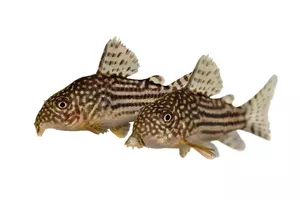
Corydoras Catfish
Corydoras Catfish are beloved for their gentle personalities and useful role within community aquariums. These bottom-dwelling fish spend much of their time searching for food along the substrate.
Group requirements: Corydoras are highly social and should be kept in groups whenever possible. Watching a small group interact can be one of the most entertaining aspects of an aquarium.
Substrate considerations: Because Corydoras use sensitive barbels around their mouths to search for food, soft sand is often considered the ideal substrate. Smooth gravel can also work if it lacks sharp edges. ScaperSoil also is Corydora approved.
Tank conditions: Most Corydoras species thrive in community aquariums with stable water parameters and good water quality.
Feeding: While they do consume leftover food, Corydoras should never be viewed as "clean-up crews." They require their own balanced diet, including sinking pellets and wafers.
Guppies
Guppies remain one of the most requested freshwater fish in the hobby. Available in an incredible variety of colors and tail shapes, these fish add movement and personality to nearly any aquarium.
Why they're popular: Guppies are active, colorful, and relatively easy to care for. They readily accept prepared foods and adapt well to community aquariums.
Tank requirements: A 10-gallon aquarium can comfortably house a small group, although larger tanks offer greater stability.
Special considerations: Guppies are livebearers, meaning they give birth to free-swimming young. Hobbyists should be prepared for the possibility of rapid population growth.
Platies
Platies are another excellent beginner fish that combines ease of care with vibrant colors.
Temperament: These peaceful fish are ideal for community aquariums and generally coexist well with a wide variety of species.
Care requirements: Platies are adaptable and thrive in stable, well-maintained aquariums with quality filtration and regular water changes.
Feeding: They readily accept flakes, pellets, and occasional vegetable-based foods.
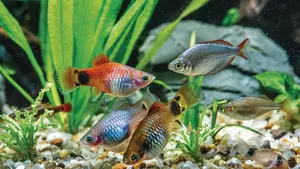
Mollies
Mollies are popular among beginner aquarists due to their hardiness and active personalities.
Tank requirements: Because some Mollies grow larger than many beginner fish, a slightly larger aquarium is often beneficial.
Water preferences: Mollies appreciate clean, stable water and generally thrive when routine maintenance is performed consistently.
Community compatibility: Their peaceful nature makes them suitable companions for many other beginner-friendly species.
Understanding basic fish requirements
Regardless of species, every fish has certain needs that should be considered before purchase.
Minimum tank size: Tank size recommendations exist for a reason. Larger aquariums provide more stable water conditions and sufficient swimming space. TIP: Always research the adult size of a fish rather than its size at the store.
Temperature range: Different species originate from different environments. Maintaining the proper temperature helps support immune function, metabolism, and overall health.
Water parameters: While beginners don't need to become water chemistry experts overnight, understanding basic parameters such as pH and hardness can help ensure fish are placed in appropriate conditions.
Diet and feeding: Different fish occupy different roles within the aquarium. Some feed near the surface, others in the middle water column, and some forage along the bottom. Providing a varied diet designed for the species being kept promotes long-term health and coloration.
Behavior and tank mates: Even peaceful fish have social preferences. Some require schools, some prefer pairs, and others are best kept individually. Researching compatibility before purchase can prevent many common problems.
Stocking a beginner community aquarium
One of the most common questions new hobbyists ask is, "How many fish can I keep?" The answer depends on several factors, including tank size, filtration capacity, fish size, and maintenance habits. A better approach is to focus on balance rather than maximum capacity. For example, a beginner community aquarium might include:
A school of Neon Tetras
A group of Corydoras Catfish
A centerpiece fish such as a Betta (if compatible)
Adding fish gradually allows the aquarium's biological filtration to adjust while giving hobbyists time to monitor water quality. Patience is one of the most valuable tools in fishkeeping.
Common fish selection mistakes
Many beginner problems can be traced back to fish selection. Common mistakes include:
Buying fish without researching adult size
Mixing incompatible species
Keeping schooling fish alone
Overcrowding the aquarium
Choosing fish based solely on appearance
Taking a little extra time to research before purchasing fish often prevents months of frustration later.
The world of freshwater aquarium fish is incredibly diverse, offering something for every hobbyist. Whether you're drawn to the elegance of a Betta, the vibrant colors of Neon Tetras, the activity of Zebra Danios, or the charming behavior of Corydoras Catfish, there are countless options for building a thriving aquarium.
For beginners, success often comes from starting simple. Focus on hardy, peaceful species, provide stable water conditions, and avoid the temptation to add too many fish too quickly.
As your confidence grows, you'll discover that keeping fish becomes less about maintenance and more about enjoying the fascinating underwater world you've created. With proper research and a little patience, your first aquarium can become the foundation for a rewarding hobby that lasts for years to come.