
Address sediment at the source
Sediment accumulation can drive nutrient recycling, reduce water storage capacity and contribute to ongoing water quality decline. Oase helps restore healthier conditions through science-led sediment management solutions.
Reduce sediment. Recover capacity.
Sediment accumulation is natural. Losing depth, capacity, and water quality to it is not inevitable.
As organic material settles and breaks down, it reduces depth, releases nutrients back into the water, and feeds the same problems you are trying to solve. Left alone, it compounds. Reduced, it gives a waterbody room to recover.
Oase helps reduce sediment accumulation and support healthier aquatic environments through practical restoration designed for the long term.


Why sediment matters
Leaves, organic debris, and dying algae settle to the bottom and accumulate over time.
As they do, they reduce storage capacity, consume oxygen, and release nutrients back into the water column, often driving a cycle of decline that becomes harder to manage each season.
Addressing sediment is frequently a critical step toward restoration, because it removes the fuel that other problems rely on.
Common signs of sediment build-up
Loss of water depth
Sediment accumulation gradually reduces the usable volume and overall capacity of a waterbody.
Soft organic sludge
Layers of decomposing organic material can build up over time, impacting water quality and biological balance.
Persistent algae growth
Nutrients stored within sediment can contribute to recurring algae blooms and ongoing water quality challenges.
Odors rising from the bed
Oxygen-depleted sediment can produce unpleasant gases that affect the condition and usability of the waterbody.
Reduced storage capacity
As sediment accumulates, ponds, lagoons and retention systems can become less effective at performing their intended function.
Rising maintenance requirements
Sediment-related issues often lead to increased management efforts, operational challenges and long-term costs.
Our approach
Oase supports sediment reduction by improving oxygen conditions and supporting the biological processes that break down accumulated organic material.
The approach is designed to improve water quality while reducing reliance on more disruptive interventions such as dredging.
Water bodies most affected
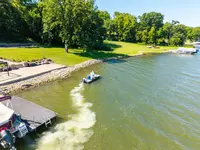
Recreational lakes and ponds
Leaves, algae, aquatic vegetation and organic debris naturally accumulate over time, contributing to sediment build-up.
Stormwater and retention ponds
Designed to capture runoff, these systems collect sediment, organic matter and nutrients that gradually settle and accumulate.
Golf course ponds
Organic debris, grass clippings and nutrient-rich runoff can accelerate sediment accumulation and water quality decline.
Municipal water bodies
Sediment enters from multiple sources including runoff, organic matter and surrounding land use, gradually reducing capacity and water quality.
Wastewater lagoons
High organic loading and biological activity can lead to significant sludge accumulation, impacting performance and treatment efficiency.
SchlixX Plus®
Sediment management for long-term water quality improvement.
SchlixX Plus® helps reduce organic sediment accumulation while supporting the biological processes that contribute to healthier water conditions.
By improving oxygen availability within the sediment layer, it helps address one of the underlying causes of nutrient recycling and long-term water quality decline.
Key Benefits
Helps reduce organic sediment accumulation
Supports improved oxygen conditions within sediments
Helps limit nutrient recycling from the lake bed
Promotes healthier biological activity
Supports long-term water quality restoration
Suitable for lakes, ponds, stormwater systems and wastewater lagoons
Proven results with SchlixX Plus®
Supporting long-term waterbody restoration
Every water body is different, but sediment accumulation is a common challenge across lakes, ponds, lagoons and managed water systems.
SchlixX Plus is used by lake managers, consultants and water professionals to help reduce organic sediment, improve water conditions and support long-term restoration goals.

Page Lake, Lakeside, PA 18847, USA
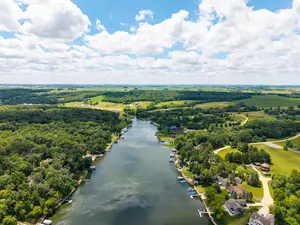
Restoring Page Lake through proactive sediment treatment
After years of sediment accumulation and increasing algae pressure, Page Lake needed a more sustainable approach to water quality management. Working alongside SOLitude Lake Management, Oase implemented one of its largest SchlixX Plus applications to date, helping restore water clarity, reduce organic accumulation, and support the long-term health of this resident-led community lake.
Take control of nutrient loading
Talk to our team about phosphorus management designed around your waterbody or operational system.