Pond filtration systems: what you actually need (and what you don’t)
Why pond filtration matters more than most pond owners realize
You escape to your outdoor world. The soundtrack of rippling water, a gentle breeze, and fish swimming beneath the surface masks the noise around you.
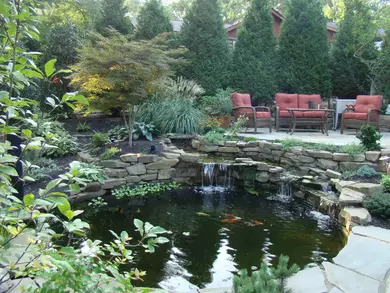
More than just a decorative pool of water, a pond provides serenity and renewal, which is why maintaining this living ecosystem is so essential. Without proper pond filtration, algae blooms, murky water, oxygen depletion, and more can lead to a poor environment for fish and disrupt a pond's health.
Enhance your knowledge about pond filtration systems and discover best practices from our team at Oase. We’re here to simplify your approach and help you keep your water oasis looking beautiful year-round. Together, we can ensure your pond stays clean and healthy.
The three types of pond filtration explained
Mechanical filtration
Debris can quickly accumulate and disrupt water quality. Eliminate everything from particles from leaves to fish waste to sediment with the first line of defense: mechanical filtration.
Mechanical filtration can come in varieties such as skimmers, submersible pond filters, gravity-fed filters, and more. These filters are designed to trap and remove contaminants before they can cause damage to your ecosystem.
Biological filtration
Biological filters further treat water that has passed through mechanical filtration. A step beyond removing visible debris, biological filtration uses beneficial bacteria to remove harmful microbes and enhance your pond's nitrogen cycle, converting toxic compounds to fertilizer that can be utilized by aquatic plants.
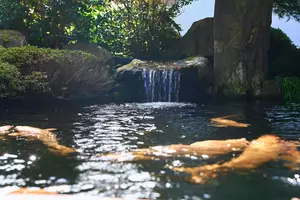
This type of filtration is extremely important for any pond ecosystem, especially koi ponds, as koi are heavy feeders and produce a large amount of waste and toxic ammonia. With a proper filtration system in place, your pond's ecosystem will stay healthy and balanced over the long term.
Ultraviolet Clarification (UVC)
An overgrowth of algae can quickly disrupt a pond’s ecosystem. To maintain a healthy balance, ultraviolet clarification (UVC) can stop the excessive growth at a microscopic level using ultraviolet technology. This light disrupts algae’s DNA, hindering them from reproducing in quantities to turn the water green. Instead, the treatment clumps cells together, to be more easily removed by filtration systems.
At Oase, we offer various pond UVC clarifiers for modular and customised flow-through filters. Capable of removing floating algae, bacteria, and germs, our technology maintains pond water clarity and quality at the highest levels. We value outstanding performance so much that we offer a clear water guarantee, free of charge, that offers available service should you have any issues.
What size pond filtration system do you actually need?
Now that you’ve learned more about pond filter types and what they can do for your outdoor space, you may be wondering how to choose a pond filter. When it comes to size, bigger does not always mean better. This is one of many mistakes commonly made, along with underestimating maintenance needs, overspending, or UVC reliance.
Some important key factors to consider when choosing a filtration system include:
Pond size
Fish load
Sun exposure
Water features (waterfalls/streams)
Surrounding foliage (trees/plants)
The type of filtration system you have can dramatically impact your turnover rate, which simply refers to how fast water volume is filtered. Having an effective system with a balanced rate helps ensure good water quality and the overall health of your ecosystem.
Signs your pond filtration system isn’t working properly
Once you have a pond filtration system in place, it’s important to make sure that it’s continually working properly. By keeping a close eye on your pond’s health, you can potentially save time and money on upkeep. Watch out for the following symptoms that indicate the filtration system isn’t working:
Green water
Cloudy water
Sludge accumulation
Foul odor
Excess algae growth
Fish stress or lethargy
Low oxygen levels
Frequent maintenance issues
If any of the above begin to appear, consider upgrading your filtration system. Investing in the health of your pond is essential to growth.
How Oase approaches pond filtration
Whether you’re in need of a completely new filtration system or interested in learning more about building a pond for your outdoor space, Oase is here to bring the magic of water to life. We blend engineering expertise and creativity to provide you with products and solutions that keep your ecosystem balanced.
Learn more about our filtration systems and integrated filtration solutions today. Let us know your vision, and we’ll collaborate to reimagine clear goals for long-term pond health.